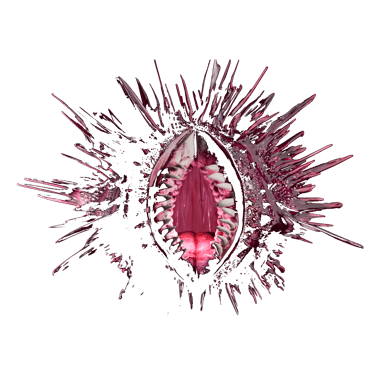
Reconstructing the Oyster
3D Scanning · SLA & FDM Printing · Material Experimentation
PROJECTS
LILISLAB
11/7/20251 min read


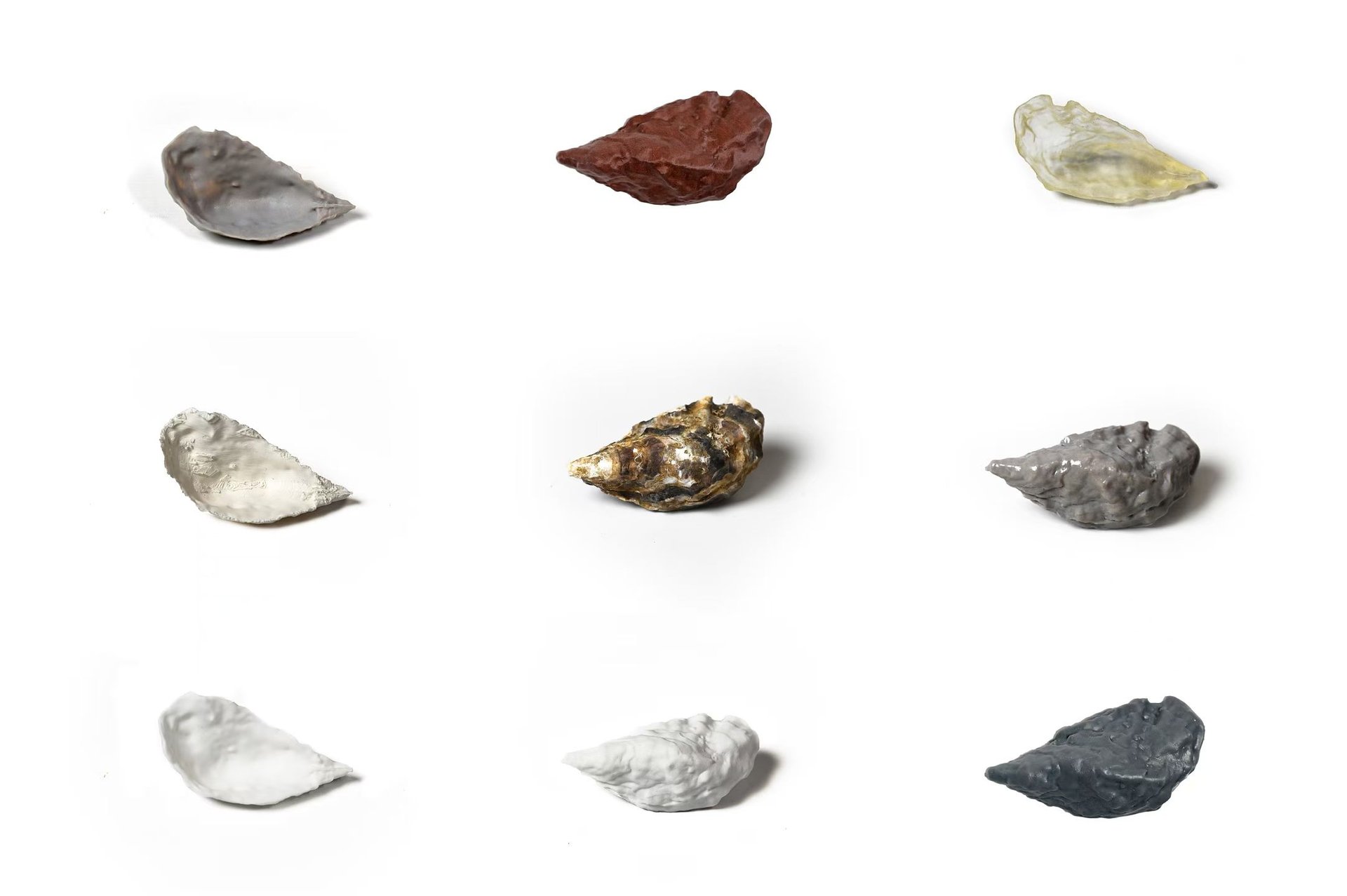
This project explored the repeated reconstruction of a single oyster through 3D scanning and 3D printing, asking a simple question: when a physical object is translated into digital data, how much of its original material presence can be brought back into the physical world?
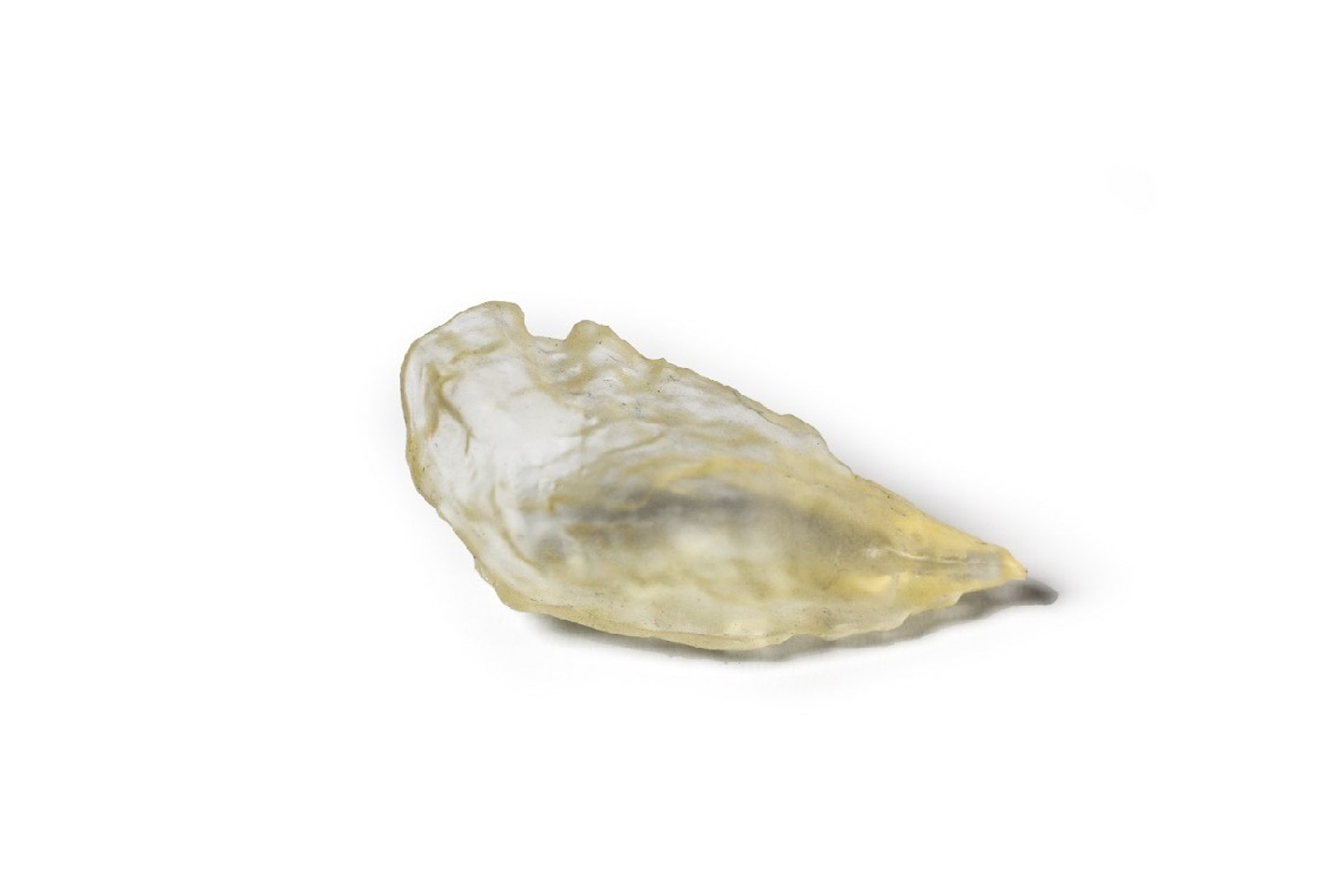
Working from the same scanned form, we produced a series of oyster models using both SLA and FDM fabrication processes, translating the object across three distinctly different materials: PAE10 flexible resin, PAS10 model resin, and a wood-filled FDM filament. Each material introduced a different surface quality, weight, flexibility and visual character, allowing the same digital geometry to take on multiple physical identities.
The flexible PAE10 resin introduced a particular production challenge. Due to the material's elastic properties, support marks are significantly more difficult to remove cleanly than with conventional rigid resins. To preserve the surface that was most important to the client, we therefore developed the print orientation and support strategy around the final viewing surface, positioning the model so that the required side could print as cleanly as possible while concentrating supports on the reverse.
Rather than treating fabrication as a neutral reproduction process, the project demonstrates how material choice, print orientation, support placement and manufacturing method actively influence how a digital object returns to physical form.
Services
3D Scan Processing / SLA Printing / FDM Printing / Print Orientation & Support Strategy / Material Testing / Post-processing
Project photography courtesy of the client.




© 2026 Lunae Group Ltd // Registration: 16961587